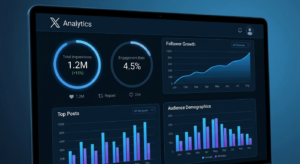

Most Twitter/X users obsess over follower counts and likes while completely ignoring one of the most powerful datasets available to them: audience demographics. Knowing who follows you — their age range, location, language, device preferences, and interests — transforms guesswork into strategy. It tells you when to post, how to write, what topics to prioritize, and which opportunities you’re missing. In 2026, with X’s platform continuing to evolve and organic reach becoming more competitive, audience demographic analysis isn’t optional for serious accounts. This guide walks you through exactly how to find, interpret, and act on your Twitter/X audience data.
Why Audience Demographics Matter on Twitter/X
Demographics Drive Content Decisions
Every content decision you make — the tone, the vocabulary, the cultural references, the topics — lands differently depending on who’s in your audience. A tech-forward audience of 25–34-year-old developers in San Francisco wants different content than a 45–54-year-old audience of retail managers in the Midwest. Demographic data eliminates the guesswork and lets you write for the actual humans following you, not a hypothetical average.
Demographics Reveal Growth Opportunities
Your current audience demographics also reveal what’s missing. If you’re trying to reach women aged 25–35 but your audience skews heavily male and older, there’s a clear gap between your target and your reality. That gap is strategic intelligence — it tells you what content angles, platforms, or partnerships might attract the audience you actually want. Without demographic data, you can’t even see the problem.
Demographics Are Critical for Monetization and Partnerships
If you’re pursuing brand partnerships, sponsorships, or any form of creator monetization, brands will ask for your audience demographics. They don’t just want your follower count — they want to know if your audience matches their target customer. Accounts with well-documented, brand-relevant demographics command significantly better rates than those who can only provide raw follower numbers.
How to Access Twitter/X Audience Demographics
X Native Analytics: What’s Available
X’s built-in analytics (analytics.twitter.com) provides a limited but useful set of demographic indicators. In the “Audiences” tab, you can see data on your followers’ top interests, top occupations (for larger accounts), and geographic concentration. This data is aggregated and anonymized, so you’re seeing trends rather than individual profiles. It’s a solid starting point, especially for accounts that can’t yet justify third-party tool subscriptions.
X Ads Manager Audience Insights
Even if you don’t run ads, the X Ads Manager provides more detailed audience breakdowns than organic analytics. If you set up an ad account (free to create, no spend required), you can access audience insights that include estimated age ranges, gender distributions, and device breakdowns for your follower base. This data is essential for accounts serious about demographic analysis and worth the 10-minute setup.
Third-Party Tools for Deeper Demographics
For comprehensive audience analysis, third-party platforms significantly outperform X’s native offerings. Tools like Audiense, SparkToro, Followerwonk, and Brandwatch provide detailed breakdowns of follower interests, behavioral patterns, bio keyword analysis, and even psychographic profiles derived from what your followers post and engage with.
Key Demographic Dimensions to Analyze
Age and Gender Distribution
Age and gender are the foundational demographic variables. They inform tone (formal vs. casual), content format preferences (video vs. long-form text), cultural reference points, and topic relevance. X’s platform skews slightly male and toward the 25–44 age bracket globally, but individual account demographics vary widely. Knowing your specific breakdown helps you calibrate language, humor, and content complexity appropriately.
Geographic Distribution
Location data reveals which countries, regions, and cities your followers are concentrated in. This has direct implications for posting timing (optimal hours differ by timezone), cultural context (holidays, events, slang), and business relevance (if you’re targeting US customers but 60% of your audience is from India, there’s a strategic misalignment). Geographic data is particularly critical for local businesses, regional brands, and event-based accounts.
Language and Localization
If a significant portion of your audience operates primarily in a language other than the one you post in, you have an untapped engagement pool. Even in English-first accounts, audience language data can reveal opportunities for bilingual content or localized threads that dramatically expand engagement within underserved language groups in your follower base.
Interests and Psychographics
Interest data — what topics, accounts, and content categories your followers engage with beyond your posts — is arguably the most actionable demographic dimension. It reveals adjacent topics that might resonate with your audience, the influencers they also follow (partnership opportunities), and the content formats they favor. Psychographic profiles go deeper: values, attitudes, and lifestyle signals that help you craft messaging with emotional resonance.
Audience Demographics Comparison: Organic vs. Engaged Followers
| Demographic Dimension | Total Followers | Engaged Followers (Replied/Reposted) | Why the Gap Matters |
|---|---|---|---|
| Age: 18–24 | 22% | 34% | Younger followers engage more — optimize for them |
| Age: 35–44 | 31% | 18% | Large but passive — content may not resonate |
| Location: US | 45% | 58% | US audience overindexes on engagement — prioritize US timing |
| Location: Europe | 28% | 12% | Large European audience under-engaged — time zone or content issue |
| Device: Mobile | 72% | 81% | Mobile-first audience — optimize content for small screens |
| Device: Desktop | 28% | 19% | Desktop users engage less — may be more passive consumers |
| Interest: Tech/Software | 41% | 52% | Tech content over-indexes on engagement — lean in |
| Interest: Lifestyle/Fashion | 19% | 8% | Low resonance — may be incidental followers, not core audience |
Note: Figures above are illustrative examples based on typical demographic patterns. Your actual data will vary. Always base strategic decisions on your specific account data.
How to Use Demographic Data to Drive Growth
Align Content Topics With Proven Audience Interests
Once you know which interest categories your most engaged followers cluster around, double down on those topics. If your analytics show that your engaged followers over-index on “personal finance” and “entrepreneurship,” those are the content veins to mine. Don’t chase trending topics that have no connection to your core audience’s demonstrated interests — that’s how accounts build large but disengaged followings.
Adjust Posting Schedule Based on Geographic Data
If your audience is geographically concentrated, use that data to refine your posting schedule. An account with 60% of engaged followers in the Eastern US time zone should prioritize morning posts at 8–10 AM EST and afternoon posts at 12–2 PM EST. If you have significant audiences in two major time zones (e.g., US and UK), consider staggered posting that captures both peak windows rather than defaulting to one.
Tailor Tone and Format to Age Demographics
Younger audiences (18–24) generally respond better to casual, direct language, humor, memes, and video. Older audiences (35–54) tend to engage more with data-driven content, long-form analysis, and professional insights. If your demographics reveal a mixed age range, test different content formats and use engagement rate by post type to identify which resonates most with your specific mix.
Identify Demographic Gaps and Run Targeted Growth Campaigns
If there’s a demographic segment you want to reach but currently underrepresent in your audience, demographics data gives you a targeted brief for growth. Use that brief to identify creators who have your target demographic as their core audience, create content specifically designed to appeal to that segment, and consider X advertising to reach that demographic directly. Track whether your audience demographics shift over 30–60 day periods after implementing these changes.
Leverage Demographics for Collaboration Pitches
When reaching out to brands or potential collaborators, lead with your demographic data, not just your follower count. A pitch that says “My audience is 68% women aged 25–34, primarily in the US, with strong interest in wellness and personal finance” is dramatically more compelling to relevant brands than “I have 45,000 followers.” Document your key demographic stats in a media kit — even a simple one-page PDF — and update it quarterly.
Common Mistakes When Analyzing Audience Demographics
Analyzing Total Followers Instead of Engaged Followers
Your total follower demographics include people who followed you years ago for completely different content and have never engaged since. The demographics of your engaged audience — people who like, reply, and repost your recent content — is the signal that actually matters. Always compare total vs. engaged demographics where your tools allow it.
Ignoring the Data After One Review
Audience demographics aren’t static. As your account grows, shifts content focus, or attracts new followers through viral posts or collaborations, the demographic composition changes. Build a quarterly demographic review into your analytics workflow. A 15-minute audit every 90 days is enough to catch significant shifts before they become strategic problems.
Over-Indexing on Demographics vs. Behavior
Demographics tell you who is in your audience. Behavioral data — what content they engage with, when they’re active, what they click — tells you what to do about it. The most powerful insights come from combining both. Someone’s age bracket matters less than knowing that people in that bracket in your specific audience consistently engage with data-driven threads posted on Tuesday mornings.
Frequently Asked Questions
Can I see the exact demographics of my Twitter/X followers?
Not at the individual level — X provides aggregated and anonymized demographic data. You can see estimated distributions (e.g., “approximately 58% male”) but not individual follower profiles. Third-party tools like Audiense can provide more granular breakdowns based on public profile and engagement data.
How large does my account need to be to access demographic data?
X’s native analytics typically starts surfacing meaningful demographic data around 100–200 followers. For detailed Ads Manager insights, a few hundred followers is usually sufficient. Third-party tools can often analyze smaller accounts as long as there’s enough public data to work with.
Is X’s demographic data accurate?
X’s demographic data is estimated, not verified — users don’t explicitly declare their age or gender. X infers demographics from profile information, device data, and behavioral signals. It’s directionally useful but should be treated as an approximation rather than a precise census.
What tools are best for Twitter/X audience demographics?
For free options: X Analytics and X Ads Manager. For paid tools: Audiense (deep demographic and psychographic analysis), SparkToro (interest and behavior mapping), Followerwonk (follower comparison and analysis), and Brandwatch (enterprise-level audience intelligence).
How can I attract a specific demographic to my account?
Create content that directly appeals to that demographic’s interests and language. Engage with creators who have that demographic as their core audience. Use X’s targeting options in ads to reach specific age, gender, and interest segments. Monitor whether your demographic mix shifts over 30–60 day periods after making strategic changes.
Should I change my content strategy if my demographics don’t match my target audience?
Yes, but carefully. Abrupt content pivots alienate your existing audience and can tank engagement. A gradual shift — introducing 20–30% new content types while maintaining your core format — is less disruptive. Track demographic and engagement changes over 60–90 days before making further adjustments.
Do audience demographics matter more for personal brands or businesses?
Both benefit equally, but for different reasons. Businesses need demographic alignment to justify marketing spend and partnership investments. Personal brands need it to ensure their content voice and topics match who’s actually listening — misalignment is often why talented creators plateau despite consistent posting.
Conclusion
Audience demographics are not a supplementary metric — they’re the foundation of every strategic decision you make on Twitter/X. Knowing the age, location, interests, and behavioral patterns of your followers turns content creation from an art into a science. You stop guessing what will resonate and start making evidence-based decisions about what to post, when to post it, and who to target for growth. Start with X’s native analytics and Ads Manager — both are free and more powerful than most accounts realize. Then build a quarterly demographic review habit. The accounts that grow fastest in 2026 aren’t the ones posting the most. They’re the ones who understand their audience the best.
—